Sign in
+34 91 380 33 18
English
Español
English
Home
WATER STILLS
GLASS WATER STILLS
METALLIC WATER STILLS
AUTOMATIC WATER STILLS
WATER STILL ACCESSORIES
LIQUID HANDLING
DISPENSERS
MICROPIPETTES
MICROPIPETTES SINGLE CHANNEL
MICROPIPETTES MULTICHANNEL
PLASTIC MICROPIPETTES
VARIABLE VOLUME MICROPIPETTES
MANUAL MICROPIPETTES
PIPETTES
BURETTES
AUTOMATIC PIPETTER
VOLUMETRIC GLASSWARE
MEASURING PIPETTES
GRADUATED PIPETTES
VOLUMETRIC PIPETTES
PIPETTES CLASS A
GENERAL PIPETTES
PIPETTE ACCESSORIES
VOLUMETRIC FLASKS
CYLINDERS
PLASTIC CYLINDERS
GLASS CYLINDERS
GRADUATED CYLINDERS
CYLINDERS WITH STOPPER
CYLINDERS CLASS A
CYLINDERS CLASS B
FLASK FOR WINES
PETROL STATION FLASK
BURETTES
STRAIGHT OR MOHR BURETTES
BURETTES WITH RESERVOIR
BURETTES AUTOMATIC ZERO
SCHILLING BURETTES
AMBER BURETTES
BURETTE CLAMPS
BURETTE HOLDERS
LABWARE
ADAPTERS
GLASS ADAPTERS
DISTILLING ADAPTERS
CLAISEN ADAPTERS
THERMOMETER ADAPTERS
COLUMNS
VIGREUX COLUMNS
DISTILLATION COLUMNS
CHROMATOGRAPHY COLUMNS
BEAKER
LABORATORY GLASS BEAKERS
GRADUATED PLASTIC BEAKER
LOW-FORM BEAKER
TALL-FORM BEAKER
DECANTING BEAKER
FLASKS
ERLENMEYER FLASK
KJELDAHL FLASKS
KITASATO FLASKS
DISTILLING FLASKS
MEASURING FLASKS
REACTION FLASKS
FLASKS FOR CULTURE
VOLUMETRIC FLASKS
FLASK FOR WINES
PETROL STATION FLASK
ROUND BOTTOM FLASKS
FLAT BOTTOM FLASK
HEART FLASK
PEAR-SHAPED FLASKS
AMBER FLASKS
SCREW CAP FOR FLASKS
CLAMPS FOR FLASKS
SCHLENK FLASKS
DESICCATORS
GLASS DESICCATORS
PLASTIC DESICCATORS
DESICCATOR WITH VACUUM VALVE
PLATES FOR DESSICATORS
VACUUM VALVES FOR DESICCATORS
CONDENSERS
COIL CONDENSERS
LIEBIG STRAIGHT CONDENSERS
DIMROTH CONDENSERS
ALLIHN BULB CONDENSERS
DAVIES CONDENSERS
AIR CONDENSER
EXTRACTORS
EXTRACTORS, COMPLETE
EXTRACTORS, ACCESSORIES
FUNNELS
DROPPING AND SEPARATING FUNNELS
GLASS FUNNELS FOR LABORATORY
CONICAL FUNNEL LABORATORY
CYLINDRICAL FUNNEL
WIDE-STEM FUNNEL
SHORT-STEM FUNNEL
FUNNEL WITH FILTER PLATE
FUNNEL WITH STOPCOCK
LABORATORY FILTRATION
FILTRATION SETS
SPARE PARTS FOR FILTRATION SETS
FILTRATION
BOTTLES AND VIALS
VIALS
VIALS
VIALS - ACCESSORIES & REPLACEMENTS
LABORATORY GLASS BOTTLES
PLASTIC BOTTLES
AMBER LABORATORY BOTTLES
ISO BOTTLES
GAS WASHING BOTTLES
OTHER BOTTLES
SPARE PARTS - GAS WASHING BOTTLES
VACUUM LABWARE
NITROGEN VACUUM
TUBES
CENTRIFUGE TUBES
DRYING TUBES
KJELDAHL DIGESTION TUBES
TEST TUBES
GLASS TEST TUBES
GRADUATED TEST TUBES
TEST TUBES WITH SCREW CAP
TEST TUBE RACKS
CLAMPS FOR TEST TUBES
BRUSHES FOR TEST TUBES
SCREW CAPS FOR TEST TUBES
OTHER TUBES
NITROGEN OR SCHLENK TUBES
NESSLER TUBES
CULTURE TUBES
REACTION VESSELS
REACTION VESSELS
LIDS FOR REACTION VESSELS
ACCESSORIES FOR REACTION VESSELS
CAPS AND LINERS
MEASUREMENT AND APPARATUS
MEASUREMENT
APPARATUS
APPARATUS - SPARE PARTS
GAS COLLECTING TUBES
METALWARE AND SUPPORTS
CHROMATOGRAPHY
GAS BUBBLERS
MISCELLANEOUS
Company
News
Contact
Certificates
Batch Certificates
+34 91 380 33 18
English
Español
English
English
Español
English
Wishlist (
)
+34 91 380 33 18
English
Español
English
Sign in
Wishlist (
)
Products
CUSTOM FABRICATION
WATER STILLS
GLASS WATER STILLS
METALLIC WATER STILLS
AUTOMATIC WATER STILLS
WATER STILL ACCESSORIES
VOLUMETRIC GLASSWARE
MEASURING PIPETTES
VOLUMETRIC FLASKS
CYLINDERS
FLASK FOR WINES
PETROL STATION FLASK
BURETTES
LIQUID HANDLING
DISPENSERS
MICROPIPETTES
PIPETTES
BURETTES
AUTOMATIC PIPETTER
LABWARE
ADAPTERS
COLUMNS
BEAKER
FLASKS
DESICCATORS
CONDENSERS
EXTRACTORS
FUNNELS
LABORATORY FILTRATION
BOTTLES AND VIALS
VACUUM LABWARE
NITROGEN VACUUM
TUBES
REACTION VESSELS
CAPS AND LINERS
MEASUREMENT AND APPARATUS
GAS COLLECTING TUBES
METALWARE AND SUPPORTS
CHROMATOGRAPHY
GAS BUBBLERS
MISCELLANEOUS
MATERIAL DE LABORATORIO DE VIDRIO
About us
Blog
Contact
Certificates
Downloads
Batch Certificates
Home
WATER STILLS
GLASS WATER STILLS
METALLIC WATER STILLS
AUTOMATIC WATER STILLS
WATER STILL ACCESSORIES
LIQUID HANDLING
DISPENSERS
MICROPIPETTES
MICROPIPETTES SINGLE CHANNEL
MICROPIPETTES MULTICHANNEL
PLASTIC MICROPIPETTES
VARIABLE VOLUME MICROPIPETTES
MANUAL MICROPIPETTES
PIPETTES
BURETTES
AUTOMATIC PIPETTER
VOLUMETRIC GLASSWARE
MEASURING PIPETTES
GRADUATED PIPETTES
VOLUMETRIC PIPETTES
PIPETTES CLASS A
GENERAL PIPETTES
PIPETTE ACCESSORIES
VOLUMETRIC FLASKS
CYLINDERS
PLASTIC CYLINDERS
GLASS CYLINDERS
GRADUATED CYLINDERS
CYLINDERS WITH STOPPER
CYLINDERS CLASS A
CYLINDERS CLASS B
FLASK FOR WINES
PETROL STATION FLASK
BURETTES
STRAIGHT OR MOHR BURETTES
BURETTES WITH RESERVOIR
BURETTES AUTOMATIC ZERO
SCHILLING BURETTES
AMBER BURETTES
BURETTE CLAMPS
BURETTE HOLDERS
LABWARE
ADAPTERS
GLASS ADAPTERS
DISTILLING ADAPTERS
CLAISEN ADAPTERS
THERMOMETER ADAPTERS
COLUMNS
VIGREUX COLUMNS
DISTILLATION COLUMNS
CHROMATOGRAPHY COLUMNS
BEAKER
LABORATORY GLASS BEAKERS
GRADUATED PLASTIC BEAKER
LOW-FORM BEAKER
TALL-FORM BEAKER
DECANTING BEAKER
FLASKS
ERLENMEYER FLASK
KJELDAHL FLASKS
KITASATO FLASKS
DISTILLING FLASKS
MEASURING FLASKS
REACTION FLASKS
FLASKS FOR CULTURE
VOLUMETRIC FLASKS
FLASK FOR WINES
PETROL STATION FLASK
ROUND BOTTOM FLASKS
FLAT BOTTOM FLASK
HEART FLASK
PEAR-SHAPED FLASKS
AMBER FLASKS
SCREW CAP FOR FLASKS
CLAMPS FOR FLASKS
SCHLENK FLASKS
DESICCATORS
GLASS DESICCATORS
PLASTIC DESICCATORS
DESICCATOR WITH VACUUM VALVE
PLATES FOR DESSICATORS
VACUUM VALVES FOR DESICCATORS
CONDENSERS
COIL CONDENSERS
LIEBIG STRAIGHT CONDENSERS
DIMROTH CONDENSERS
ALLIHN BULB CONDENSERS
DAVIES CONDENSERS
AIR CONDENSER
EXTRACTORS
EXTRACTORS, COMPLETE
EXTRACTORS, ACCESSORIES
FUNNELS
DROPPING AND SEPARATING FUNNELS
GLASS FUNNELS FOR LABORATORY
CONICAL FUNNEL LABORATORY
CYLINDRICAL FUNNEL
WIDE-STEM FUNNEL
SHORT-STEM FUNNEL
FUNNEL WITH FILTER PLATE
FUNNEL WITH STOPCOCK
LABORATORY FILTRATION
FILTRATION SETS
SPARE PARTS FOR FILTRATION SETS
FILTRATION
BOTTLES AND VIALS
VIALS
VIALS
VIALS - ACCESSORIES & REPLACEMENTS
LABORATORY GLASS BOTTLES
PLASTIC BOTTLES
AMBER LABORATORY BOTTLES
ISO BOTTLES
GAS WASHING BOTTLES
OTHER BOTTLES
SPARE PARTS - GAS WASHING BOTTLES
VACUUM LABWARE
NITROGEN VACUUM
TUBES
CENTRIFUGE TUBES
DRYING TUBES
KJELDAHL DIGESTION TUBES
TEST TUBES
GLASS TEST TUBES
GRADUATED TEST TUBES
TEST TUBES WITH SCREW CAP
TEST TUBE RACKS
CLAMPS FOR TEST TUBES
BRUSHES FOR TEST TUBES
SCREW CAPS FOR TEST TUBES
OTHER TUBES
NITROGEN OR SCHLENK TUBES
NESSLER TUBES
CULTURE TUBES
REACTION VESSELS
REACTION VESSELS
LIDS FOR REACTION VESSELS
ACCESSORIES FOR REACTION VESSELS
CAPS AND LINERS
MEASUREMENT AND APPARATUS
MEASUREMENT
APPARATUS
APPARATUS - SPARE PARTS
GAS COLLECTING TUBES
METALWARE AND SUPPORTS
CHROMATOGRAPHY
GAS BUBBLERS
MISCELLANEOUS
Company
News
Contact
Certificates
Batch Certificates
Sign in
Home
LABWARE
BOTTLES AND VIALS
BOTTLES AND VIALS
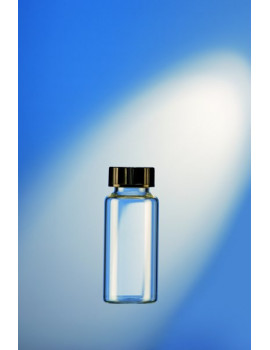
VIALS
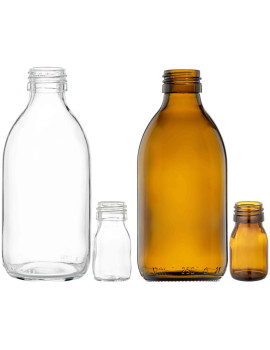
LABORATORY GLASS BOTTLES
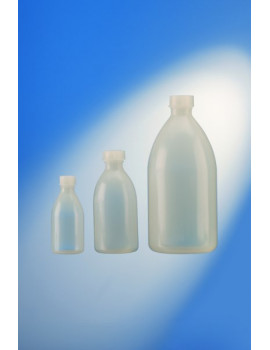
PLASTIC BOTTLES
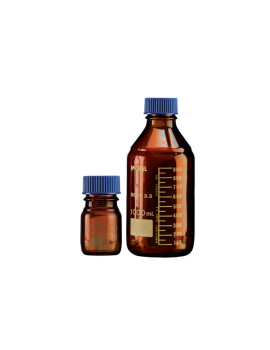
AMBER LABORATORY BOTTLES
ISO BOTTLES
GAS WASHING BOTTLES
OTHER BOTTLES
SPARE PARTS - GAS WASHING BOTTLES
You need to login or create account
×
Save products on your wishlist to buy them later or share with your friends.
Email
Password
Forgot your password?
No account? Create one here
Product added to wishlist
Product added to compare.




 Quick delivery
 High quality
 Safe payment Quick delivery High quality Safe payment